

Who Pays for Wildlife Damage in Charleston? Home Insurance and Builder Warranties
When wildlife damages your Charleston home, who actually pays? What home insurance covers, why a newer home's builder warranty often does, and how to file a claim that sticks.
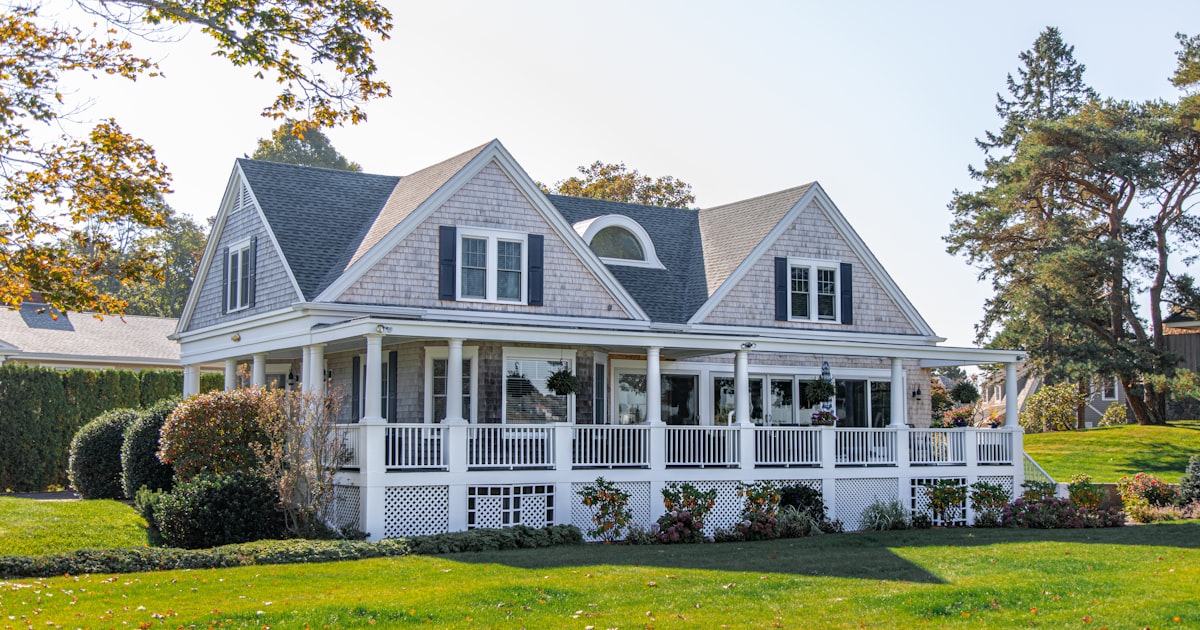
When wildlife gets into your home, a repair bill is coming, and the question that decides how big it gets is not "does my insurance cover wildlife damage." It is "who pays." Those sound like the same question. They are not, and the gap between them is often a few hundred dollars versus a few thousand. There are three possible answers, and the obvious one, your insurer, is frequently the wrong place to start.
The homeowners policy feels like the safe bet. For a lot of wildlife damage, it will not pay, and the reasons are baked into the fine print. But there is a second payer worth knowing about, and on a newer home it is often the strongest claim you have: the builder who put the house up in the first place.
This is the guide we wish every Lowcountry homeowner had before the first scratch in the ceiling. Who pays, when, and how to file so the claim gets approved instead of quietly denied.
The three people who might pay for wildlife damage
Wildlife damage gets paid for by one of three parties. Which one applies to your house decides how you handle the whole thing.
- Your homeowners insurer. Possible, but narrow. Standard policies exclude most of the animals we deal with, and the ones they do cover come with conditions that sink a lot of claims.
- Your builder, under warranty. If your home is newer and the animal got in through a gap the builder left, closing that gap is the builder's job, not yours. On a new house this is usually the claim with the best odds.
- You, out of pocket. The default when the first two fall through, and honestly where most rodent jobs on older homes land.
Does home insurance cover wildlife damage in Charleston?
Usually not, and the reason has nothing to do with how bad the damage is. When people ask whether homeowners insurance covers animal damage, they expect the answer to hinge on the size of the hole. It hinges on one word in the policy. Open yours and search for "vermin." Almost every standard homeowners policy in South Carolina excludes damage caused by "birds, vermin, rodents, or insects," and that single clause is what gets used to deny most wildlife claims in the Lowcountry.
Insurers treat rodent damage as a maintenance problem, not a sudden accident. A rat chewing through your subfloor over six months is not sudden, so the logic goes that you had time to notice and deal with it. That puts the bill on you.
What that clause catches:
- Rats, both the Norway and roof rats we pull out of Charleston attics during a rat removal job
- House mice
- Squirrels, including the flying squirrels nesting in Mount Pleasant attics
- Most birds, including the pigeons and starlings that take over gable vents downtown
If the damage came from a rodent, your insurer is starting from "denied," and you are arguing your way up from there.
What sometimes gets covered
Some carriers draw a line between rodents and larger mammals. Under those policies, damage from raccoons, opossums, and bats can be covered, because none of them are rodents. Raccoons are procyonids, opossums are marsupials, bats are their own order entirely. Different animal, different treatment.
But "can be covered" is carrying a lot of weight in that sentence. Plenty of policies fold those animals back into a broad "wild animal" exclusion. Plenty more pay for the structural damage but not the removal that caused it. We have seen Charleston policies that cover a torn soffit and won't touch the raccoon eviction that tore it.
The pattern across most carriers:
- Structural damage from raccoons, opossums, or bats: sometimes covered
- The cost to actually remove the animal: almost never
- Personal property in the attic, like stored clothes and decorations: almost never, no matter the species
- Cleanup and contamination work: occasionally, if it is tied to a covered loss
Even when the animal itself would be covered, a slow timeline kills the claim. If the droppings are old and the entry hole is weathered, the adjuster reads that as gradual damage and denies it.
Your real opening on an older home: the second peril
A denial on the animal damage itself is not always the end of it. Direct rodent damage is excluded, sure. But the damage that rodent damage causes can be covered, if it lands under a peril your policy already includes.
Two cases we see in Charleston:
A rat chews a water line in the crawlspace and floods the kitchen. The chewed pipe is not covered. The water damage to your floors and cabinets might be, under sudden water damage. The carrier will fight on sudden versus gradual, so timing and documentation decide it.
A squirrel chews a wire in the attic and starts a fire. The wire is not covered. The fire damage to your framing, insulation, and ceilings is, under the fire peril. Electrical fires started by squirrels are real and documented, which is worth knowing before a chewed wire turns into a fire report. The warning signs of squirrels wrecking your attic are worth catching early.
In both cases the animal was the cause, but the claim turns on whether the resulting damage is a covered peril, and on whether you can prove the timeline.
Storms change the math
Charleston gets hit. When a named storm tears off a ridge cap or pops open a soffit return, the opening it leaves becomes a wildlife door within days. If a covered storm created that gap and an animal came through it, your windstorm coverage may reach the damage the animal does inside, as long as you can tie the entry back to the storm. The catch is speed. Wait two months to report it and the adjuster calls it old and unrelated. That is one more reason to move fast when a storm pushes wildlife into Lowcountry homes.
Is the builder responsible for wildlife damage to a new home?
Often, yes. If your home is newer and an animal found its way inside, there is a good chance it got in through something the builder left undone, which makes the repair their responsibility and not yours.
Charleston and the Lowcountry are full of new construction, and new houses leak in ways people do not expect. The most common wildlife entry points on a recent build are not wear and tear. They are install gaps:
- Soffit panels that were not cut tight, leaving a clear opening into the attic
- Flashing where the roof meets the wall that was never sealed flush
- Oversized holes drilled for pipes, wires, and cables that nobody closed back up
- Gable vents and weep holes with no screening behind them
None of that is your fault. It is workmanship, and workmanship is exactly what a builder's warranty is built to cover.
What a builder's warranty actually covers
Most new homes come with a warranty that follows the standard 1-2-10 structure:
- One year on workmanship and materials. This is the bucket that covers sealing, finishes, and the install gaps that let animals in. For wildlife entry on a newer home, this is your year.
- Two years on the systems: plumbing, electrical, and HVAC.
- Ten years on structural defects, meaning the load bearing bones of the house.
A gap a rat used to reach your attic is a one year workmanship item. If wildlife is in your new home, check the date you closed before you do anything else.
South Carolina backs you up, even without a written warranty
You are not relying on the builder's goodwill here. South Carolina law implies a warranty into every new home sale that the house is habitable and built in a workmanlike manner. That implied warranty covers defective construction unless the builder swapped it out for a written warranty, and our courts only allow that swap when the disclaimer was conspicuous, understood, and specifically bargained for. Most buyers never agreed to anything like that.
Two deadlines matter. You generally have three years from the date you discover the defect to bring a claim, and an outside limit of eight years from when the home was substantially completed, no matter when you find the problem. On a newer home you sit comfortably inside both, which is exactly why moving quickly pays off.
Where the builder will push back, and how to stay ahead of it
Be realistic about the limits. A builder warranty, like an insurance policy, is happiest covering the defect itself, the unsealed gap, and will sometimes argue about the damage the animal did after it got through. Some written warranties even try to exclude pest damage outright.
That is why you never frame this as an animal problem. You frame it as a construction defect. The animal is just proof the gap was there. Document the gap, tie the interior damage to it, and report it in writing while you are still inside the warranty window. A warranty does not promise a flawless house and it does not erase normal maintenance, so the cleaner you keep the line between "the builder left a hole" and "the damage that hole caused," the better the claim holds. The same logic decides who pays when wildlife damages a shared structure in an HOA.
How to file a claim that gets approved
This holds whether you are dealing with an insurer or a builder. The homeowners who get paid are not the ones with the worst damage. They are the ones with the cleanest paper trail.
Photograph everything before you clean up. Wide shots, tight shots of the damage, the entry point from outside and inside, droppings, nesting material, chewed wires, torn ductwork. If you have already started cleaning, stop. Unphotographed damage reads as damage that never happened.
Get a written inspection report from a licensed wildlife company. This is the single most useful document in the whole process. It should name the species, describe the damage, estimate when the activity started, list every entry point, and lay out the scope of work. On a newer home, it should call the entry point what it is: an install or construction defect. Our wildlife inspection reports are written to land in front of an adjuster or a builder, because that is exactly where they end up. "I saw a raccoon" does not move a claim.
Get itemized repair estimates, not lump sums. Line items for materials, labor, and hours. Roof decking, insulation and its R value, drywall, framing, soffit, an electrical inspection if wires were chewed. Bring multiple estimates if the other side pushes on cost.
Save every receipt. Removal, sanitation, materials, even a hotel stay if you had to leave the house. Receipts that won't be reimbursed still raise the documented total.
Report fast and in writing. Most South Carolina policies and warranties require prompt notice of a loss. Waiting six weeks to "see how bad it gets" is a gift to the denial. Put it in writing so there is a dated record of when you reported it.
Keep a log of every call. Date, time, who you spoke to, what they said. If the claim gets appealed, that log becomes evidence.
When it is worth fighting and when it is not
Some claims are worth the push. A bat colony that did tens of thousands in damage to a historic home south of Broad is worth a public adjuster or an attorney if it gets denied. So is a squirrel fire, or any new home where the builder is stalling on a defect that is plainly theirs.
Others are not. An older home where rats chewed up some insulation and a cable run is going to be denied, and South Carolina case law generally sides with the carrier on rodent damage. Pay for the exclusion and sanitation out of pocket and move on. The hours you would burn appealing are worth more than the recovery.
The call usually comes down to three things: the dollar value, whether the animal was a rodent or a larger mammal, and whether there is a builder or a second peril like fire or water to attach the claim to.
What we tell Charleston homeowners
If your home is newer, call your builder before you call your insurer. A gap they left is their repair, South Carolina law is on your side, and the warranty clock is the only thing working against you.
If your home is older, build your defense as if no policy will pay, because most of the time none will. Annual roofline checks, sealing gaps down to a fraction of an inch, hardware cloth on every vent, and dealing with the first sign of activity the day you notice it all beat any claim process on cost. If you own one of Charleston's raised houses with open space underneath, that area needs the same scrutiny. Our Charleston wildlife removal pricing guide gives honest numbers by species so you can plan for the real cost.
Either way, when damage happens, document like you are going to court. Stop the cleanup, take photos, get a written report from a licensed company, and report the loss within days. The whole case is built in the first 48 hours after you find it. And if a bat colony and its cleanup is involved, know that SCDNR advises against exclusion from May through mid July to protect maternity colonies, which can shift your timeline. See our guide to South Carolina wildlife removal laws for the full picture.
The video below breaks down what most homeowners policies will and won't cover when wildlife gets into your home:
Call us at (843) 212-1147 to schedule an inspection. If you have wildlife damage, we will hand you the documentation an adjuster or a builder will actually read.
Wildlife Removal Services
Humane removal and permanent exclusion for raccoons, bats, squirrels, snakes, and more in Charleston, SC.
See our wildlife removal services