

Why Charleston's Raised Houses Are a Wildlife Magnet (And What to Do About It)
Charleston's raised drive-under homes create wildlife problems most removal companies aren't built for. Here's what makes them different and what to do.
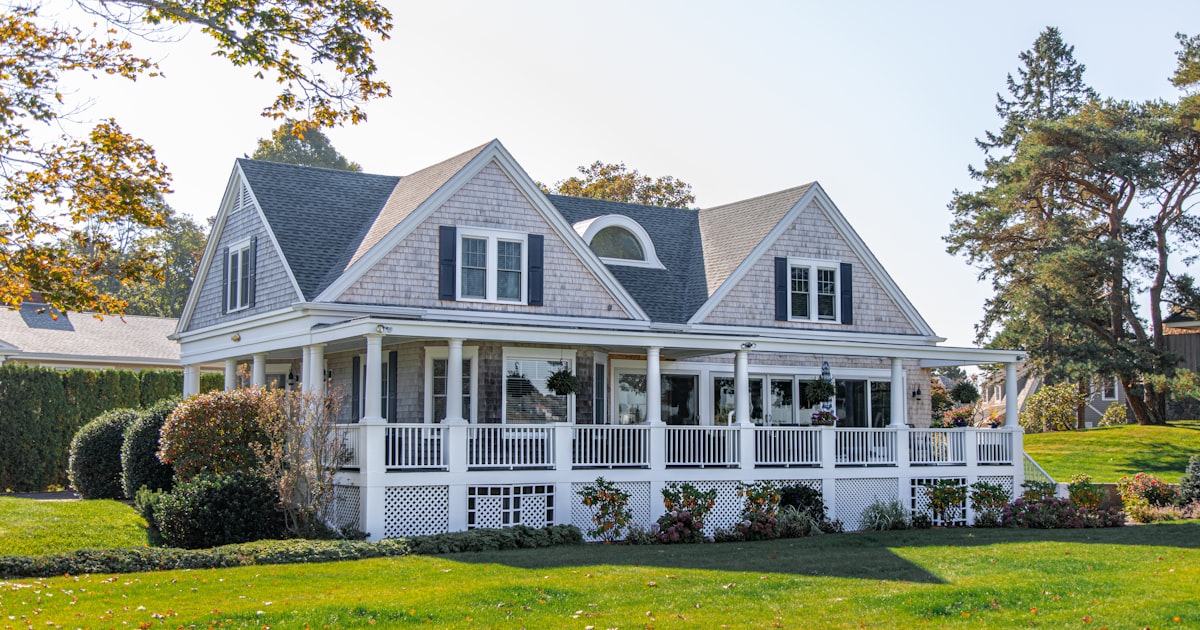
Charleston has a housing type that most of the country doesn't. Raised houses, sometimes called drive-unders, where the ground floor is used for parking and storage and living space begins one full level up. They're found throughout the flood prone areas of the Lowcountry: in Mount Pleasant neighborhoods close to the water, on James Island, in parts of West Ashley, and in elevated sections of downtown. They're built to handle flooding. They also create wildlife problems that standard wildlife removal approaches aren't designed for.
We inspect and work on raised houses regularly. Here's what makes them different.
The Structure Creates Different Vulnerability
A crawlspace on a conventional house is a dark, low, 18-inch gap. Animals that get in are limited to that tight space. On a raised house, what sits beneath the living area is a full or partial story: protected overhead, off the wet ground, with room to move around. Raccoons don't just squeeze under the joists. They can stand up. They establish real territories, cache food, raise young, and use the space the way they'd use a den in the wild. Because it functions as a den, not an incidental refuge.
The exterior perimeter is larger too. A raised house is surrounded by open air on multiple sides, with more linear feet of exposed surface area than a home at ground level. The skirting and lattice that encloses the underside of these homes takes significant weathering. Vinyl lattice becomes brittle in the heat, wood rots, and aluminum panels work loose at the fasteners over time. The result is usually a patchwork of different repair materials installed at different times, with gaps where they meet.
Flood venting requirements add another layer of complexity. Homes in FEMA flood zones are required to have venting in the lower level to allow water to pass through during flood events (typically one square inch of vent for every square foot of enclosed area). Those vents are permanent openings, and permanent openings are entry points.
Which Animals You'll Find
Raccoons are the most common large animal in raised house situations. A protected lower level that's elevated off the ground and enclosed on most sides is close to ideal raccoon denning habitat. Females with young seek these spaces specifically. We find them regularly in the late winter through spring months in properties from James Island to North Charleston. A female raccoon establishing a den in February can have kits in there by April if nothing is done.
Opossums are arguably even more common than raccoons in raised houses. The raised lower level is genuinely their preferred habitat in the Lowcountry. They den in the corners, use the space as a latrine, and return to the same sites repeatedly once established. A property that hasn't had the skirting thoroughly inspected in two or three years often has an active opossum situation. Our post on opossums in crawlspaces in Charleston covers what active evidence looks like and what the removal process involves.
Roof rats use the lower level as a staging area and move between it and the interior wall voids through gaps where pipes and wires penetrate the floor decking. In older raised houses in North Charleston and West Ashley, we often find rat evidence both in the lower level and in the ceiling voids of the upper floors. They're moving through the whole structure, which is why professional rodent exclusion for a raised house requires sealing every penetration in the floor decking, not just the perimeter of the lower level.
Armadillos dig along the foundation from outside on properties near undeveloped land, particularly on Johns Island and the more rural parts of James Island. They're not trying to den inside the structure, but their digging at the foundation perimeter can destabilize skirting and create gaps other animals use.
Feral cats also shelter under raised houses, which is worth mentioning even though it's not our service area. Cat activity in a space attracts fleas heavily and can bring opossums and other wildlife into conflict at a single denning site.
The Entry Point Problem
On a conventional house, we might inspect 60-80 linear feet of foundation perimeter. A typical raised house in West Ashley has 150-200 linear feet of lower level perimeter to inspect, all at skirting height. Every section needs to be checked. Every gap, every repaired section, every corner joint.
Lattice is the most common skirting material we encounter, and the worst from a wildlife exclusion standpoint. Decorative lattice panels (plastic or wood) are not barriers. Anything larger than a mouse will eventually find or make a gap. When we do exclusion work on raised houses, we use hardware cloth (galvanized welded wire mesh, typically 1/2 inch grid) as the actual barrier and can install lattice panels over it for appearance if the homeowner wants. The lattice becomes decorative; the hardware cloth does the work.
Flood vents are handled specifically. Standard wildlife control practice (stuffing a vent opening with foam or mesh) isn't appropriate for vents that need to function during flood events. We use purpose built flood vent covers that exclude wildlife entry while maintaining flood compliance: they're designed to pop open under hydrostatic pressure. Using the wrong product in a flood vent is both a wildlife control failure and a flood insurance compliance issue.
What a Remediation Looks Like
An attic cleanout is a contained job. The space has a defined footprint, often with flooring or decking, and the contamination is localized.
Remediating a raised house lower level is larger in almost every way. The space is bigger. Wildlife that's been present for a season has used the entire floor area in some cases. Raccoons especially don't confine themselves. They move, forage, and defecate throughout the space. Vapor barrier replacement in a raised house lower level covers significantly more area than in a standard crawlspace, and the logistics of getting material in and contaminated material out are more involved.
This is a conversation to have before the quote, not after. When you call, mention you have a raised house. Tell us approximately how large the lower level is and whether it's fully enclosed or partially open. That changes the scope estimate meaningfully.
The Inspection Process
A full exterior inspection on a raised house takes 2-3 hours. On a standard ranch, we typically complete an exterior inspection in 1-1.5 hours. The additional time is the perimeter length, the skirting condition assessment, and the flood vent check.
The lower level should always be inspected from inside, not just from the access hatch. Getting eyes into every corner of a large lower level requires working through the space with proper protective equipment (respirator, appropriate coverages for contaminated spaces) and often a camera on an extension to get into areas too tight to enter fully. Skipping the interior inspection means missing the actual contamination extent and often missing the rat runs in the floor decking.
A Note on Who Does These Jobs
Most national franchise wildlife companies aren't set up for raised house work. Their pricing models, inspection protocols, and material specifications are built around standard crawlspaces and attics. Raised house lower levels are a different job: larger, more complex, and requiring familiarity with flood zone requirements specific to the Lowcountry.
Local knowledge matters here in a way it doesn't with a straightforward attic squirrel job. Knowing which neighborhoods have flood zone overlay requirements, knowing the difference between an ornamental vent and a functional flood vent, knowing what skirting materials hold up in Charleston's humidity and heat versus what degrades in two years. These aren't things a company calling from a national call center will know.
We inspect raised houses throughout the Charleston area and are familiar with the building stock and the regulatory requirements. Call (843) 212-1147 to schedule an inspection.
The video below walks through exactly how wildlife professionals inspect a foundation for animal entry points and seal them off:
See our wildlife removal and crawl space services pages for more on what each scope of work involves.
Wildlife Removal Services
Humane removal and permanent exclusion for raccoons, bats, squirrels, snakes, and more in Charleston, SC.
See our wildlife removal services