
Charleston Lowcountry Wildlife Guide: Which Species Enter Homes and Why
Which wildlife species enter Charleston homes, what damage each causes, and how professional removal actually works in the Lowcountry.
Wildlife pressure in the Lowcountry
Charleston is one of the most ecologically complex regions on the East Coast. The intersection of coastal barrier islands, saltmarsh, maritime forest, and expanding suburban development creates a wildlife environment that's both extraordinarily rich and consistently challenging for homeowners.
The species homeowners encounter in the Charleston area aren't random. They're the predictable result of specific habitat pressures, and understanding which species cause which problems helps homeowners know what they're dealing with and what resolution looks like.
Raccoons: the most common call
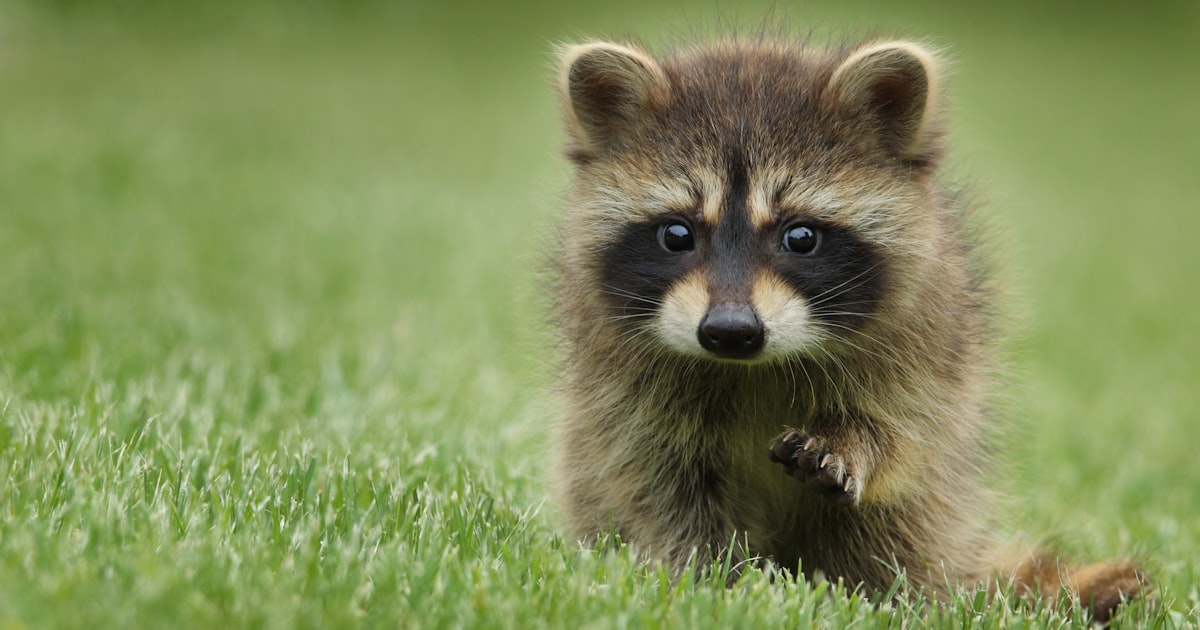
Raccoons (Procyon lotor) generate more service calls in the Charleston area than any other species. They're intelligent, adaptable, and completely unintimidated by human presence, which makes them effective urban and suburban survivors and persistent nuisance animals.
In Charleston, raccoon problems concentrate in two categories: attic occupation (female raccoons seeking denning sites in spring) and property damage (raccoons accessing garbage, pet food, gardens, and koi ponds year-round).
Attic raccoons require exclusion, not just trapping. A trapped raccoon creates a vacancy in a territory with obvious access, and the replacement raccoon finds the same entry point within weeks. Our raccoon removal service seals the entry point permanently. For a closer look at what a nesting raccoon actually does to an attic, see the hidden hazards of raccoons nesting in your attic.
Bats: the most legally complex case
The Charleston area is home to numerous bat species, with Brazilian free-tailed bats and big brown bats being the most common attic inhabitants. SCDNR does not recommend lethal removal of any bat, and some species, like the northern long-eared bat, carry federal Endangered Species Act protection.
SCDNR advises against bat exclusion during pup season (May through mid-July) when flightless young are present in roost colonies. Outside this window, live exclusion is the approach SCDNR recommends and the only one that works long-term. Bats are funneled out through exclusion devices and excluded from re-entering. SC wildlife removal law is especially detailed on bats, including the federal protections that apply to some species in the Lowcountry.
A bat colony in a Charleston attic produces guano that accumulates over time, carries histoplasmosis risk, and can cause structural damage to insulation and wood through moisture and acid. Early action costs significantly less than deferred action. Learn more about our bat removal service.
Squirrels: the daytime noise
Squirrels in Charleston attics are a daytime problem. The scratching and scrambling you hear is almost always in the morning hours. Eastern gray squirrels are abundant throughout the region, and the mature oak and hickory tree canopy in neighborhoods like Mount Pleasant, West Ashley, and the French Quarter provides direct highway access to rooflines.
Squirrels gnaw wiring and wood members. They breed twice yearly. And because squirrel pressure is ongoing in heavily treed areas, squirrel removal needs to be done thoroughly, with every entry point sealed using appropriate materials, to provide lasting results.
Snakes: identification before anything else
The Charleston area is home to six venomous snake species: the eastern diamondback rattlesnake, timber rattlesnake, pygmy rattlesnake, cottonmouth water moccasin, copperhead, and eastern coral snake. Species identification before any attempted handling is critical.
Most snake calls involve non-venomous species. Rat snakes, corn snakes, and black racers are far more commonly encountered than venomous ones. But the Lowcountry's marshes, wetlands, and coastal areas mean cottonmouths are genuinely prevalent in many neighborhoods, particularly in James Island, Johns Island, and areas adjacent to waterways. Our Charleston snake removal and venomous species guide covers identification and what to do when you find one on your property.
Rodents: exclusion first
Roof rats are the primary rodent species in Charleston homes. They enter at the roofline through gaps in soffits, damaged vents, and fascia separations. Norway rats enter lower on the structure through foundation gaps and crawlspace vents.
The standard pest control industry approach is bait stations maintained on a recurring contract. That manages rodent populations without ever solving the underlying problem. Complete rodent exclusion, sealing every entry point with appropriate materials, provides a permanent solution that bait programs cannot.
The exclusion first approach
Monster Wildlife's approach to every species is the same starting point: identify and seal the entry points. Trapping and removal without exclusion is a service that generates repeat calls, not resolved problems.
We provide written documentation, 2-year exclusion warranties, and complete sanitation services when contamination has occurred. Every job in Charleston, Berkeley, and Dorchester counties. For realistic cost ranges by species, see our Charleston wildlife removal pricing guide.
Call (843) 212-1147 to schedule an inspection.
The video below walks through exactly how professionals use exclusion devices to humanely remove wildlife from attics and prevent re-entry:
Monster Wildlife provides humane removal for all species common to the Lowcountry. See our full wildlife removal services or call (843) 212-1147 to describe what you're dealing with.
Wildlife Removal Services
Humane removal and permanent exclusion for raccoons, bats, squirrels, snakes, and more in Charleston, SC.
See our wildlife removal services