
Found a Snake in Charleston? Here's What It Is and What to Do
SC has 38 snake species, 6 venomous. Here's how to identify what you found, whether it's dangerous, and when to call for professional snake removal.
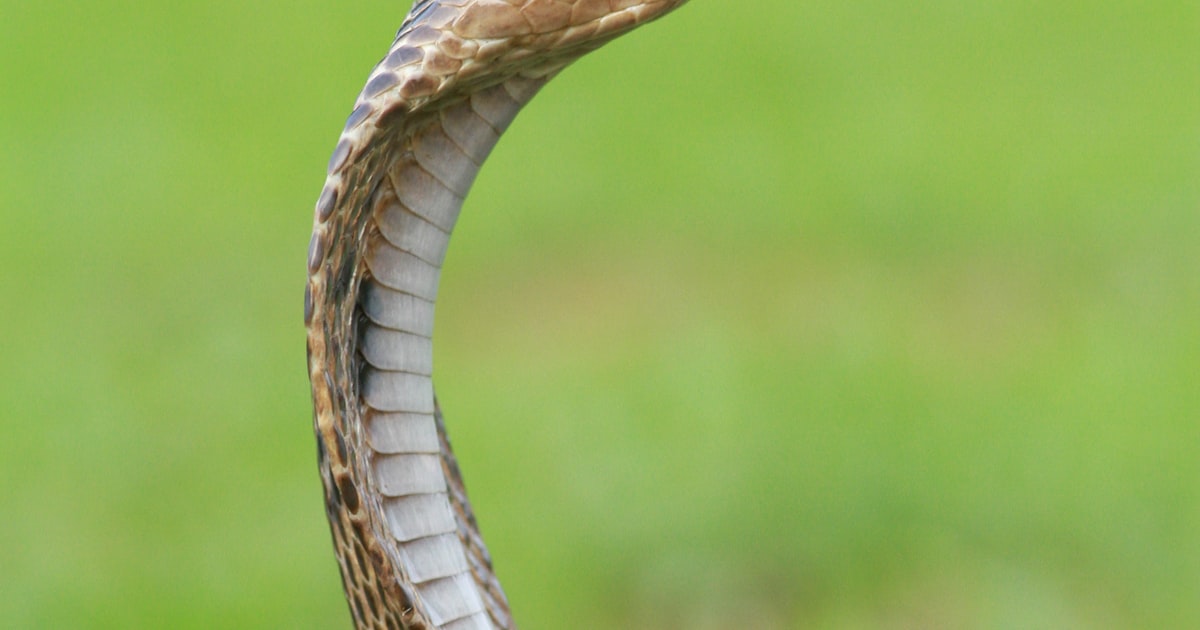
Summer is our busiest season for snake calls. That's not a coincidence. Charleston is genuinely snake country. The Lowcountry's combination of warm temperatures, wetlands, maritime forest, and dense residential landscaping creates ideal habitat for dozens of species. Most of the snakes people find are harmless. A few aren't. Knowing which you're dealing with is the difference between a non-event and a real problem. For broader context on when different wildlife (including snakes) peaks throughout the year, see our Charleston wildlife season guide.
South Carolina's 6 Venomous Species
South Carolina has 38 snake species total. Six of them are venomous, and all six can be found in or around Charleston. The SC DNR maintains a full snake species list if you want to look up a specific species.
Copperhead (Agkistrodon contortrix): The most commonly encountered venomous snake in SC. Heavy bodied with a distinctive hourglass pattern, warm brown to copper coloring, and a triangular head. Found in wooded areas, brush piles, and near water. In Charleston, they turn up in West Ashley backyards, along Johns Island tree lines, and in suburban areas where development meets forest edge. Bites are painful but rarely fatal in healthy adults, but a bite still requires immediate medical attention.
Cottonmouth / Water Moccasin (Agkistrodon piscivorus): Semi-aquatic and found near every body of water in the Lowcountry. Dark brown to nearly black, often with a faint banded pattern that fades with age. Adults frequently appear uniform black. The white interior of the open mouth (the "cotton") is diagnostic when visible. Heavier bodied than most water snakes, with a thick neck and distinct blocky head. Found in marshes, drainage ditches, retention ponds, creek edges. Common on James Island, Johns Island, and anywhere near tidal creeks.
Timber Rattlesnake (Crotalus horridus): South Carolina's largest venomous snake, capable of reaching 5-6 feet and 10+ pounds. Found in bottomland hardwoods, maritime forest, and upland pine. In the Charleston area, more likely in rural parts of Berkeley and Dorchester counties than dense urban neighborhoods, but they do appear in suburban areas near forested corridors. The rattle is unmistakable.
Eastern Diamondback Rattlesnake (Crotalus adamanteus): The largest venomous snake in North America, reaching up to 8 feet. Found in longleaf pine habitat, coastal scrub, and palmetto flatwoods. Less common than the timber rattlesnake in the immediate Charleston metro but present on the barrier islands and in undeveloped areas throughout the Lowcountry. Treat any rattlesnake with full respect; an eastern diamondback at 5 feet is not a snake anyone should approach.
Pigmy Rattlesnake (Sistrurus miliarius): Small (rarely exceeds 24 inches), easily overlooked, and found throughout the Lowcountry in pine flatwoods, near wetlands, and sometimes in suburban areas. Its rattle sounds like a brief buzzing insect rather than the classic rattle, and it's frequently not heard before a bite occurs. Under-respected because of its size.
Eastern Coral Snake (Micrurus fulvius): Brightly banded in red, yellow, and black. Genuinely beautiful. Found in sandhill habitat, dry pine forests, and occasionally suburban areas in sandy-soil parts of SC. Less common in the Charleston immediate area than the species above, but present. Their venom is a powerful neurotoxin. They're also secretive and rarely aggressive; most bites occur when people pick them up.
The Non-Venomous Snakes That Generate the Most Calls
Rat snake (Pantherophis alleghaniensis): This is the big black snake people panic about. Adults are 4-6 feet, sometimes longer, and jet black. They're excellent climbers, which is why they end up in attics, on porches, and occasionally inside homes. They eat rats, mice, and birds. Having rat snakes around is actually a sign you have a rodent problem worth addressing. Not dangerous. Not aggressive unless cornered.
Banded watersnake (Nerodia fasciata): This is the most misidentified snake in the Lowcountry. Banded watersnakes look, to many people, exactly like cottonmouths: dark coloring, heavy body, found near water, and they flatten their heads and strike aggressively when threatened. We get calls constantly from people certain they've seen a cottonmouth. Most of the time, it's this species. Key differences: banded watersnakes have round pupils, a more slender body, and their head tapers more gradually into the neck. Cottonmouths have elliptical (cat-slit) pupils and a much more pronounced triangular head. That said, if you're not certain, don't get close enough to check.
Corn snake (Pantherophis guttatus): Slender, orange-to-red with red blotches outlined in black, found in wooded areas and occasionally entering structures. Frequently mistaken for copperheads because of the patterning, but corn snake colors are much more vivid and the head is narrower.
Black racer (Coluber constrictor): Fast, thin, and solid black. Often found in open areas, suburban edges, and yards. People sometimes confuse them with rat snakes; racers are slimmer and move much faster. Totally harmless, and they'll often flee before you get a good look at them.
The Rhyme and Why It's Not Enough
"Red on yellow, kill a fellow. Red on black, friend of Jack." This describes the banding pattern that distinguishes eastern coral snakes (red touches yellow) from non-venomous lookalikes like scarlet kingsnakes (red touches black). For native SC species, it works. The problem is that it doesn't apply to non-native species, it requires you to see the pattern clearly, and it gives people a false sense of confidence when trying to identify an unfamiliar snake. Don't use it as your only tool.
How Snakes Get Into Houses
Snakes don't want to be in your house any more than you want them there. They're following prey or seeking temperature regulation.
The most common entry routes: gaps at the foundation where pipes, wires, or HVAC lines penetrate; dryer vents that lack proper back-draft dampers; garage doors that don't seal flush to the floor (even a half-inch gap is enough for a young rat snake); damaged or open crawlspace vents. Rat snakes, specifically, follow rat runs. If rodents have been traveling a path into your walls, the rat snake will find and use that same route.
We've pulled rat snakes out of wall voids, attics, and kitchen cabinets, all accessed through the same entry points the rodents used. The snake is often a symptom of a rodent problem that preceded it. Our post on why professional rodent exclusion is worth the investment explains why sealing those entry points matters beyond just the snakes.
What to Do If You Find One Inside
If anyone is bitten by a snake, call SC Poison Control immediately at 1-800-222-1222 or go to the nearest ER. Don't wait for symptoms.
Don't corner it. A snake that's trapped will strike, not out of aggression but out of self-defense. Keep your eyes on it. If it's in a room, close the door and put a towel at the bottom so it can't slip out while you make a call. Don't try to grab it, pin it, or chase it into a bag unless you've done this before. Call (843) 212-1147.
We can usually respond quickly and remove the snake safely. Even if it's non-venomous, having a professional confirm the ID gives you certainty, and we'll assess the entry point while we're there.
What to Do If You Find One Outside
Most of the time: nothing. The vast majority of snakes found in a Charleston yard are passing through or actively beneficial to the ecosystem. Give them space and let them go about their business.
The exception is a venomous species near a frequently used area: a children's play space, a doorway, a dog run. If a cottonmouth is living under your back steps, that's a different call than a rat snake crossing your driveway. For venomous species in close proximity to where you live, call us. Trying to kill or relocate a venomous snake yourself is how most snake bites happen.
The Best Prevention Is Rodent Control
You can seal every gap in your foundation and still have snakes if you have a rodent problem. Snakes follow prey. The single most effective snake prevention measure over the long term is eliminating the rodents that attract them.
Beyond that: keep grass cut short, eliminate brush piles and debris where snakes can shelter, keep firewood stacked off the ground, and check foundation penetrations annually for gaps. We find open pipe penetrations on almost every house we inspect in North Charleston and the surrounding areas, and this is one of those things that seems minor until it isn't. If you're unsure what's legal when it comes to handling or relocating snakes in South Carolina, our overview of SC wildlife removal laws for homeowners covers the key rules.
The video below walks through how to tell South Carolina's most dangerous snakes apart, including the copperhead and cottonmouth you're most likely to encounter in the Charleston area:
For help with snake problems in the Charleston area, our snake removal service covers the full Lowcountry. Call (843) 212-1147 or request an inspection online.
Wildlife Removal Services
Humane removal and permanent exclusion for raccoons, bats, squirrels, snakes, and more in Charleston, SC.
See our wildlife removal services