

Signs of a Rat Infestation in a Charleston Home (And How Fast It Grows)
The sounds, droppings, grease marks, and gnaw damage that mean you have rats, how to read the evidence, and why waiting a few weeks makes it much worse.
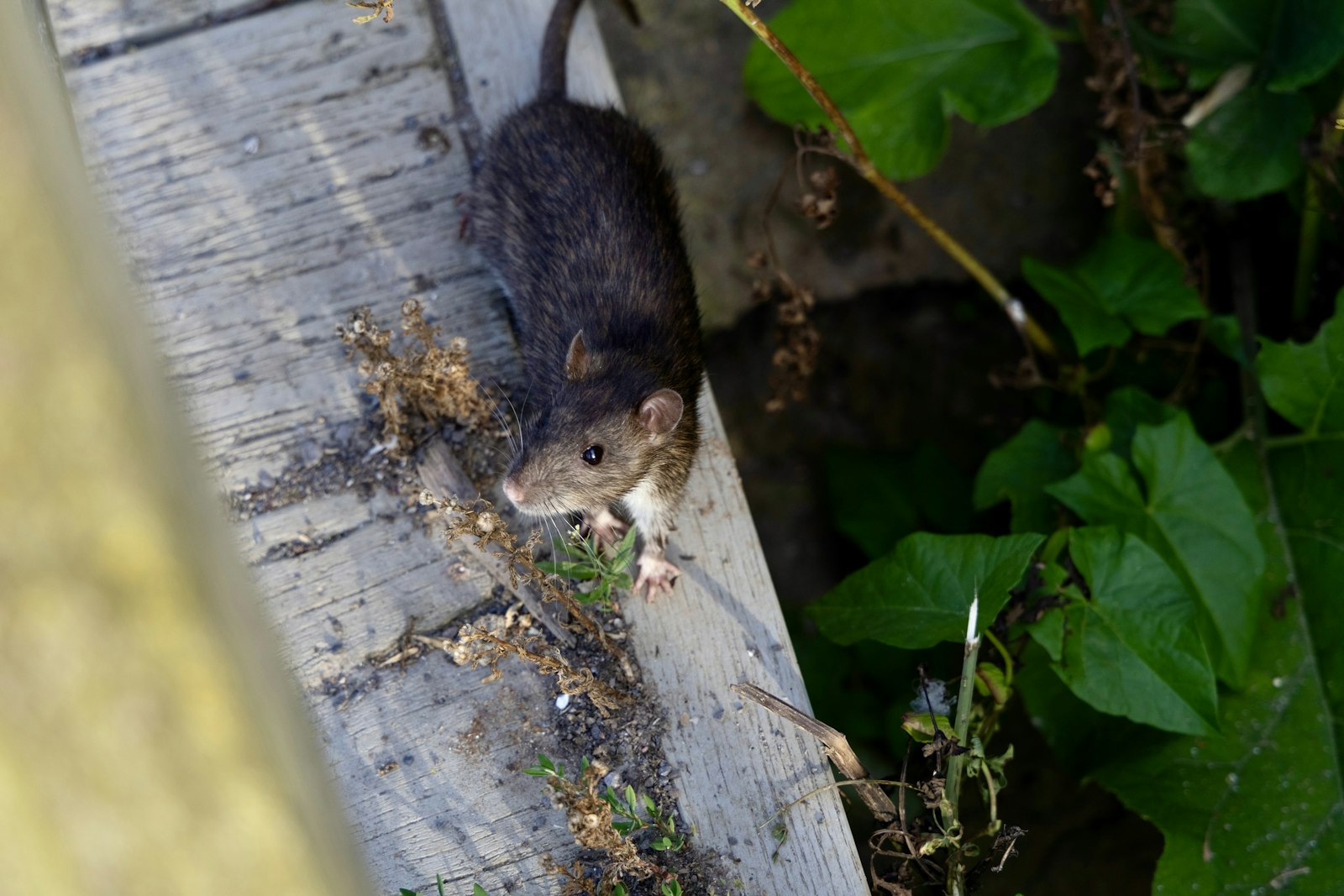
Rats are quiet about moving in and loud about staying. By the time most Charleston homeowners are sure they have a problem, the colony has been there a while. The earlier you read the signs correctly, the smaller and cheaper the job is, because a few rats turn into a lot of rats faster than people expect. Here is what to look for, what each sign actually tells you, and why the clock matters.
The sounds, and when you hear them
The first sign is almost always noise. Scratching, gnawing, or a quick scurrying in the ceiling or the walls, and the timing is the biggest clue to what you are dealing with. Rats are nocturnal, so the sound shows up after dark and into the early morning, when the house goes quiet and they get active.
If you are hearing fast, light movement overhead at night, that is the roof rat profile. If the noise is during the day, you are probably dealing with squirrels instead, and the difference between rats and squirrels in the attic comes down almost entirely to that timing. Either way, sound in the structure is never nothing. We built a full sound by sound guide to what is making noise in your attic for exactly this reason, because the type and location of the noise narrows the species before anyone opens the hatch.
Droppings, the most reliable evidence
Droppings are the sign that confirms it. Rat droppings are dark, capsule shaped, and three quarters of an inch or longer, which is the easy way to separate them from mouse droppings, which are small with pointed ends. You will find them where rats travel and feed: along baseboards, in the backs of cabinets and drawers, in the attic insulation, and near any food source.
Fresh droppings are dark and soft. Old ones are gray and crumble. A mix of both tells you the infestation is not new and the population is active. Do not sweep or vacuum them dry when you find them, because dried rodent droppings can carry pathogens that become dangerous once they are airborne. Note where they are and leave them undisturbed for now.
Grease marks and the colony's highway
This one gets missed because people do not know to look for it. Rats have poor eyesight and travel the same routes over and over, dragging their oily fur along walls, beams, pipes, and the edges of openings. Over time that leaves dark, greasy rub marks, smudges that trace the exact paths the colony uses.
Those marks are useful because they map the problem. Follow a rub mark and it leads you toward an entry point or a nest. A dark smear at the edge of a hole in the soffit is a rat door in active use. We read these during an inspection to find runways and entries you would otherwise never spot.
Gnaw marks and chewed wiring
Rats have to chew. Their incisors grow continuously, so they gnaw constantly to wear them down, and they will work on almost anything: wood, drywall, plastic, food packaging, and wiring. Gnaw marks on a cabinet corner or a chewed bag in the pantry are obvious. The dangerous one is hidden.
Chewed electrical wiring in the attic or walls is a real fire risk, and because it is out of sight, it usually goes unnoticed until a circuit acts up or a breaker trips for no clear reason. If you have rats and your lights start flickering or an outlet stops working, treat it as a possible chewed wire and get it looked at. This is one of the costs of letting an infestation run, and it is why the damage is not just cosmetic.
The other tells
A few more signs that round out the picture:
- Nesting material. Shredded insulation, paper, or fabric wadded into a hidden corner of the attic or behind appliances.
- Disappearing pet food. Bowls left out overnight that empty when no pet is eating.
- Holes chewed through drywall or cabinets, often near plumbing or where a wall meets the floor.
- A musky smell that builds over time, and a sharp ammonia note from urine in a concentrated nesting area.
- Pets fixating on a wall or the ceiling, staring or pawing at a spot for no obvious reason. They hear and smell the rats before you do.
Where to look first in a Charleston home
If you suspect rats but have not pinned down the evidence, a few spots pay off faster than the rest. Start in the kitchen, behind and under the appliances and at the backs of the lower cabinets, because that is where food, warmth, and hidden runways meet. Check the pantry for gnawed packaging. Then go up into the attic, especially around the eaves and any boxed storage, where droppings and nesting material collect.
After that, work the edges of the house. In older peninsula homes, look along the baseboards and where pipes come up through the floor. In raised homes and the crawlspace neighborhoods off the peninsula, the crawlspace and the foundation perimeter are the first place Norway rats show themselves, with burrows near the footing and grease marks where they squeeze through. The roofline is where roof rats give themselves away, at gable vents and soffit gaps stained dark from oily fur. You are not trying to catch the rat on this pass. You are confirming it is there and learning where it travels, which is what an inspection turns into a plan.
Why a few weeks of waiting costs you
Here is the part that makes early action worth it. Rats breed fast, and Charleston's mild climate lets roof rats reproduce close to year round instead of pausing for winter. A single pair, under decent conditions, can produce dozens of offspring in a year, and the young reach breeding age in a matter of weeks. The math compounds quickly.
That is why the same infestation is a small job in week one and a major job two months later. Early, you have a handful of animals and clean insulation. Late, you have a colony, contaminated insulation that has to be removed, possible wiring damage, and a scent trail that keeps drawing more rats in. Waiting almost never makes a rat problem cheaper.
If you are seeing any combination of these signs, the move is a real inspection that confirms the species, maps the entries, and scopes the job before it grows. See how we handle rat removal in Charleston, or call (843) 212-1147 to schedule an inspection.
Rodent Exclusion Service
Professional rodent exclusion, not just bait stations. We seal the entry points so the problem doesn't come back.
See our rodent exclusion service