

How to Get Rid of Rats in Your Charleston Attic (And Keep Them Out)
The real process for getting rats out of a Charleston attic for good, why bait stations fail, and what actually ends a roof rat infestation.
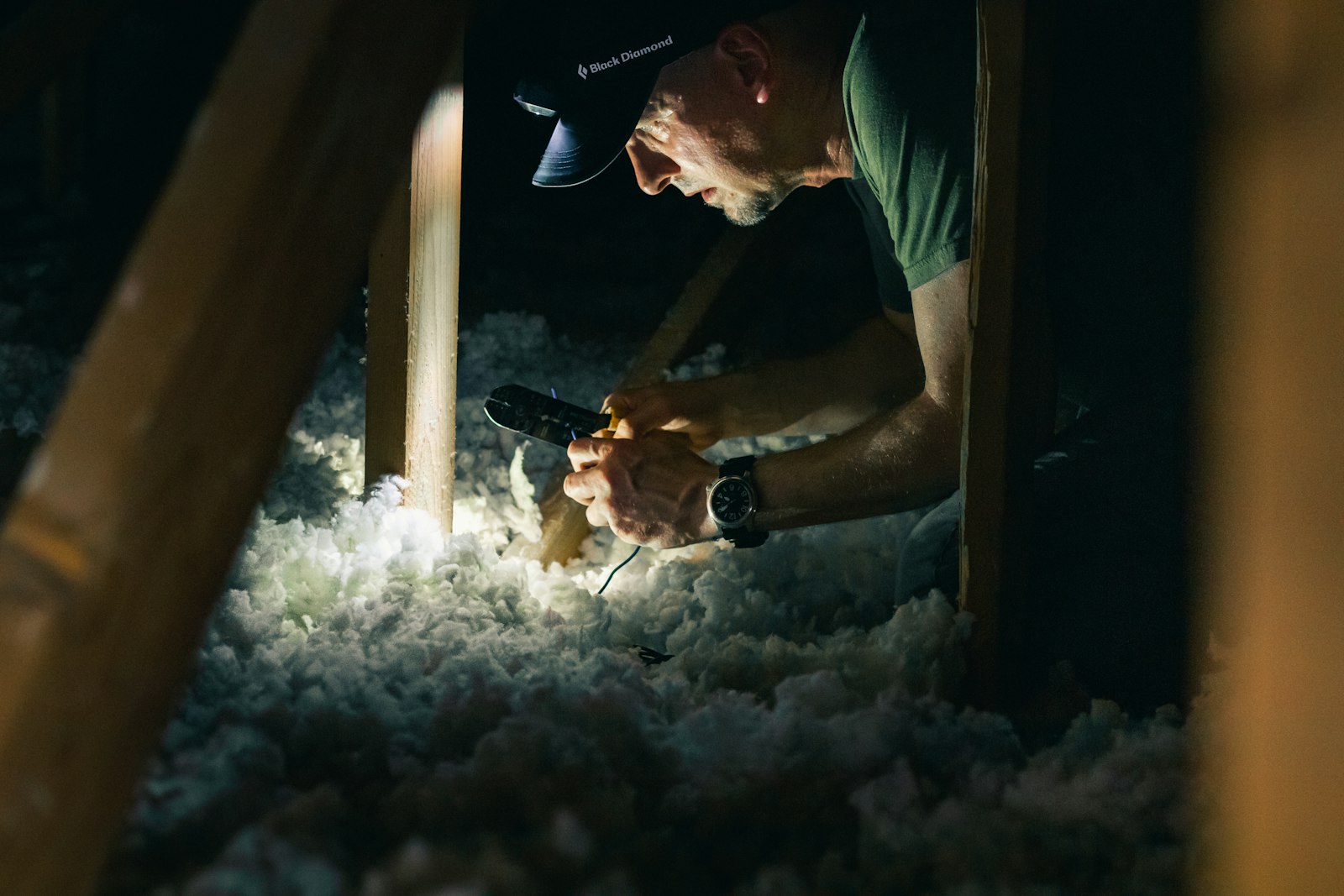
If you hear scratching in the ceiling at night and you have already bought bait, stop. Bait is the most common first move and it is the reason rat problems in Charleston drag on for months. It kills some of the rats. It does nothing about the hole they walked in through, so the next ones follow the same scent trail and move into the same warm attic. You end up paying for the problem on a loop instead of solving it once.
Getting rats out of an attic and keeping them out is a real process with a fixed order. Skip a step and the whole thing fails. Here is how it actually works, and why the order matters more than the products.
Start by finding every way in
You cannot solve a rat problem you have not mapped. The first job is a full inspection, inside and out: the attic, the soffits and fascia, the roofline, every utility penetration, and the foundation perimeter. Roof rats (Rattus rattus) are the dominant species on the peninsula and they are excellent climbers, so the openings are often high up where you would never think to look, at a gable vent, a dormer joint, or where the cable line enters under the eave.
A rat only needs a gap about the size of a quarter. Mice need even less. The gaps that matter are the ones you would walk past, and there is almost never just one. On older Charleston homes the entries are usually original construction details that were never sealed to any kind of pest standard. On newer builds off Highway 17 they are builder gaps at the soffit returns and around plumbing stacks. Until every one of those is on a list, trapping is guesswork.
If you are not certain it is rats at all, the difference between rats and squirrels in your attic comes down to timing and sound: squirrels are loud in daylight, rats run at night.
Trap the rats that are already inside
Once the entry points are mapped, the next step is removing the live population, and this is where method matters. Snap traps and live traps placed on the active runways work because they target the rats physically and you can see results. Bait does not, because a poisoned rat often dies inside a wall or under insulation, and now you have a decomposing animal you cannot reach and a smell that lasts for weeks.
We monitor and clear traps every day or two, not once a week. Rats are neophobic, which means they avoid new objects, so the first few days are slow on purpose. Pushing the trapping too fast scatters them. The goal is to bring attic activity down to zero before anything gets sealed, because sealing a rat inside is its own expensive mistake.
Seal the structure. This is the step that ends it
This is the part bait companies skip, and it is the only part that makes the result permanent. Exclusion means physically closing every gap larger than half an inch with material a rat cannot chew through: hardware cloth, copper mesh, concrete, or matched exterior trim. Foam alone does not count. Rats chew through foam in a night.
The reason exclusion has to come after trapping, and the reason it has to be complete, is simple. A rat colony shares scent trails. Leave one gap open and the survivors, plus every new rat that smells the trail, walk right back in. Seal everything at once and the cycle is over. This is what we mean when we talk about professional rodent exclusion being worth every penny: you pay for it once, and it carries our 2-year warranty, instead of paying a smaller bill every month forever.
If you want the specific weak points to check on your own home first, we mapped the most common gaps roof rats use to get into Charleston homes.
Clean up what they left behind
Rats foul the space they live in. A heavy infestation leaves droppings, urine, and shredded nesting material packed into the attic insulation, and that contamination keeps drawing new rodents in on the scent long after the animals are gone. It is also a genuine health hazard. Dried rat droppings can carry hantavirus, so they should never be swept or vacuumed dry, which puts the particles into the air you breathe.
The cleanup is part of the job, not an upsell. Contaminated insulation comes out, the space gets disinfected and fogged, and the attic is restored. On bad jobs this is most of the work, and it ties directly into our attic clean out and sanitation work.
Why bait and DIY keep failing here
Charleston is hard on rat control for reasons that have nothing to do with effort. The climate is mild, so roof rats breed nearly year round instead of seasonally. The tree canopy and power lines give them a highway straight to the roofline. And the housing stock, from raised historic homes downtown to crawlspace foundations in North Charleston and Park Circle, gives them more ways in than a sealed modern slab ever would.
A homeowner with a bait box is fighting all of that with the one tool that does not address entry. Even a thorough DIY trapping job usually misses the high entries, because the most common openings are at the roofline where you need a ladder, an inspection light, and a sense of what a rat route looks like. That is the gap between knocking the numbers down for a few weeks and actually being done.
What to expect on the timeline
Most rat jobs resolve in one to two weeks. Traps go in on day one, we monitor and remove over several visits, and once activity hits zero we seal everything and clean up. Bad infestations with heavy attic contamination run longer, mostly because of the cleanup. The seal is what determines whether it lasts, which is why we warranty it rather than the trapping.
If you are hearing movement in the ceiling right now, the worst thing you can do is wait for it to sort itself out. A single pair of roof rats can turn into a colony in a season. The right move is a real inspection that finds every entry, not another bait box. See how we handle rat removal in Charleston, or call (843) 212-1147 to schedule an inspection.
Rodent Exclusion Service
Professional rodent exclusion, not just bait stations. We seal the entry points so the problem doesn't come back.
See our rodent exclusion service