

Rats in the Walls in Charleston: Why You Hear Them and What to Do
Why rats travel inside your walls, why trapping in a wall cavity is different, and the exclusion fix that gets them out and keeps them out.
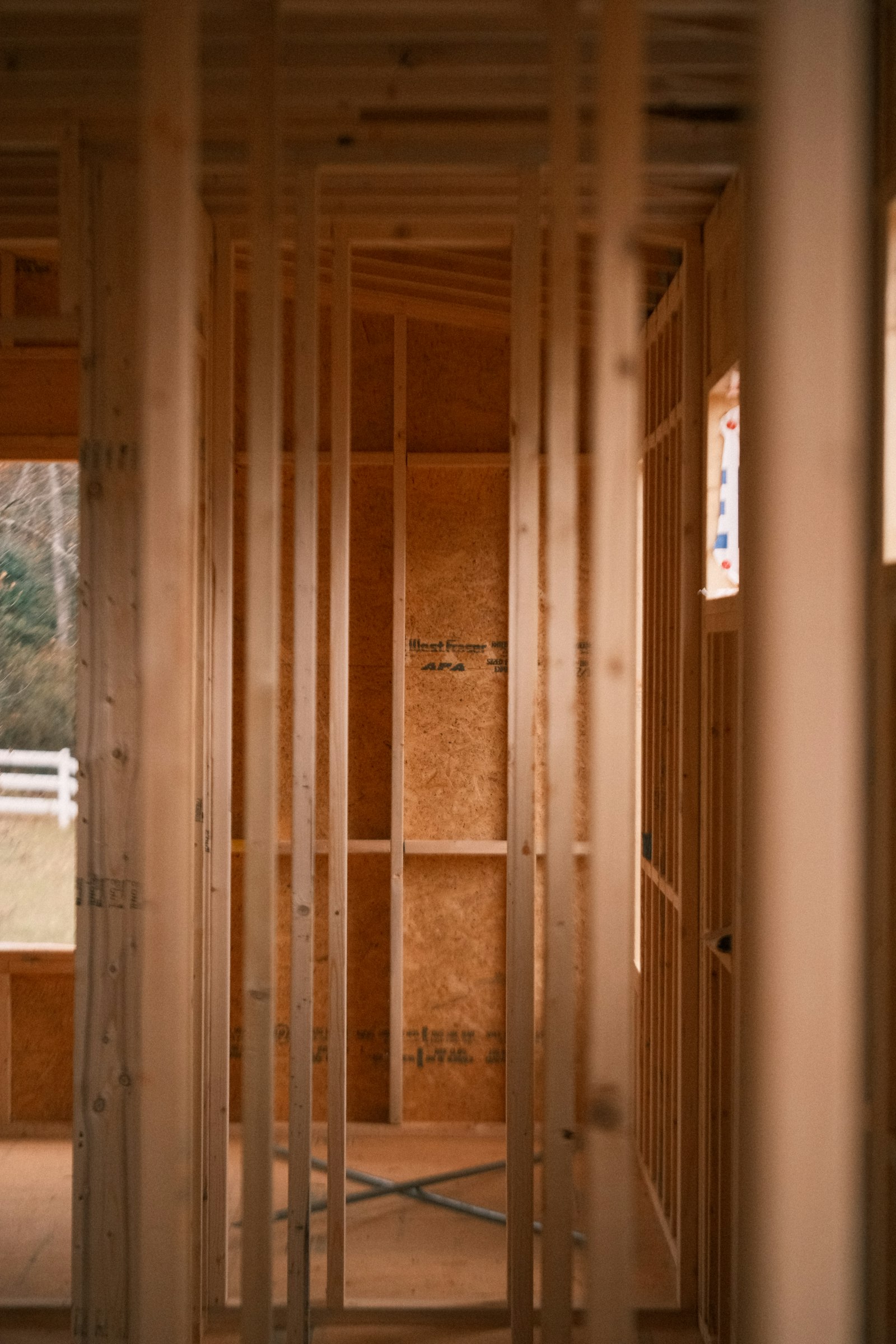
Few things rattle a homeowner like hearing something move inside the wall. The sound is right there, a foot away, and there is no door to open and no way to get at it. Rats in the walls are common in Charleston, and they are one of the trickier versions of a rat problem to solve, because the animal is living in a space you cannot reach with a trap or your hands. Here is what is actually happening inside that wall, and how the problem gets solved.
Walls are highways, not just hiding spots
Rats do not usually live in your walls so much as travel through them. The cavity between studs is a vertical corridor that connects the parts of the house a rat actually wants: the attic up top and the crawlspace or foundation down below. A roof rat that enters at the soffit can drop down a wall void to reach the kitchen. A Norway rat in the crawlspace can climb a plumbing chase up into the structure.
In Charleston that travel is easier than in newer construction. Older homes have framing and chases that give rats clear vertical runs, and the raised foundations and crawlspaces so common here put an easy entry point right at grade. Plumbing and wiring penetrations are the usual on-ramps: anywhere a pipe or a cable passes through a wall, there is often a gap a rat can use, and those gaps connect rooms and floors in ways most homeowners never picture. The scratching you hear at one spot is frequently an animal passing through, not nesting there.
Why trapping inside a wall is different
This is the part that makes wall rats frustrating. You cannot set a trap inside a sealed wall cavity, and you should not start cutting holes in your drywall hoping to guess where the rat is. The approach has to be different from a straightforward attic job.
The work centers on where the wall connects to spaces you can access. Rats moving through a wall are entering and leaving it somewhere, usually at the top into the attic or at the bottom into the crawlspace, and that is where the trapping happens. We find the runways at those connection points and set traps where the animals actually travel, rather than chasing the sound through the drywall. It is slower and it takes reading the structure correctly, but it works without tearing the house apart.
There is also a real reason to be careful about how wall rats are handled, and it is the strongest argument against the bait box. A rat that takes poison will often die where it is, and inside a wall cavity that means a decomposing animal you cannot reach and a smell that can last for weeks. We covered why this makes bait a poor choice and exclusion the real fix, and nowhere is that more true than with rats in the walls. Trapping removes the animal so you can take it out. Poison leaves it in the wall.
The dead rat smell, and what it means
If you are reading this because something died in your wall and the smell is unbearable, that is almost always the aftermath of bait, either yours or a previous treatment. There is no clean trick to make it stop fast. The odor runs its course as the carcass dries out, which in Charleston's humidity can take longer and smell worse than in a drier climate. Sometimes the location can be narrowed down enough to make a small, repairable access cut and remove the source. The lesson for next time is the one that runs through every part of rat control here: trap and remove, do not poison and hope.
The fix is exclusion, same as always
Getting rats out of the walls and keeping them out comes back to the same process that solves every rat problem, applied to the routes that feed the wall cavities. Trapping at the access points removes the animals using the walls right now. Then exclusion closes the structure so nothing can get back into those cavities.
That means sealing the entries that let rats into the wall system in the first place: the roofline gaps that let roof rats into the upper walls, the foundation and crawlspace gaps that let Norway rats into the lower walls, and the pipe and wire penetrations that connect everything. Every gap larger than half an inch gets closed with material a rat cannot chew, which is the core of how we handle rat removal in Charleston. Seal the routes and the wall goes quiet for good, because there is no longer a way in or a reason to travel through.
Should you cut the wall open?
Almost never, and not as a first move. Cutting into drywall to chase a rat is a guess, and a wrong guess leaves you with holes to patch and a rat that simply moved up or down the cavity. The time it makes sense is narrow: when an animal has died in a known spot and the smell justifies a small, targeted, repairable access cut to remove it. Even then it is a last step, not a starting point.
The better path treats the wall as a corridor with two ends. The rats are getting into that cavity from the attic or the crawlspace, and they leave it the same way. Find those connection points, trap there, and seal the structure, and you solve the wall without opening it. The drywall stays intact and the noise stops because the route is gone, not because you found the one spot the rat happened to be standing.
What to do right now
If you are hearing rats in your walls, a few things help and one thing hurts:
- Do not put bait in the wall. It is the fastest route to a dead rat you cannot reach and a smell you cannot fix.
- Note exactly where and when you hear the movement. The location and the timing help map which routes the rats are using and which species you have.
- Check the obvious connection points. Look at the attic above the wall and the crawlspace below it for droppings, grease marks, and gaps. Those are where the trapping will happen.
- Get it inspected before it spreads. Rats in the walls usually means an established route between the attic and the crawlspace, which is a sign the problem is past the early stage.
Wall noise is one of those problems that does not resolve on its own and gets harder to ignore every night. The way out is finding the routes, trapping at the access points, and sealing the structure so the walls stay empty. See how we handle rat removal in Charleston, or call (843) 212-1147 to schedule an inspection.
Rodent Exclusion Service
Professional rodent exclusion, not just bait stations. We seal the entry points so the problem doesn't come back.
See our rodent exclusion service