

Rat Droppings in Your Charleston Attic: The Health Risks and Safe Cleanup
Why rat droppings are a real health hazard, why you must never sweep or vacuum them dry, and how professional attic sanitation cleans up the mess.
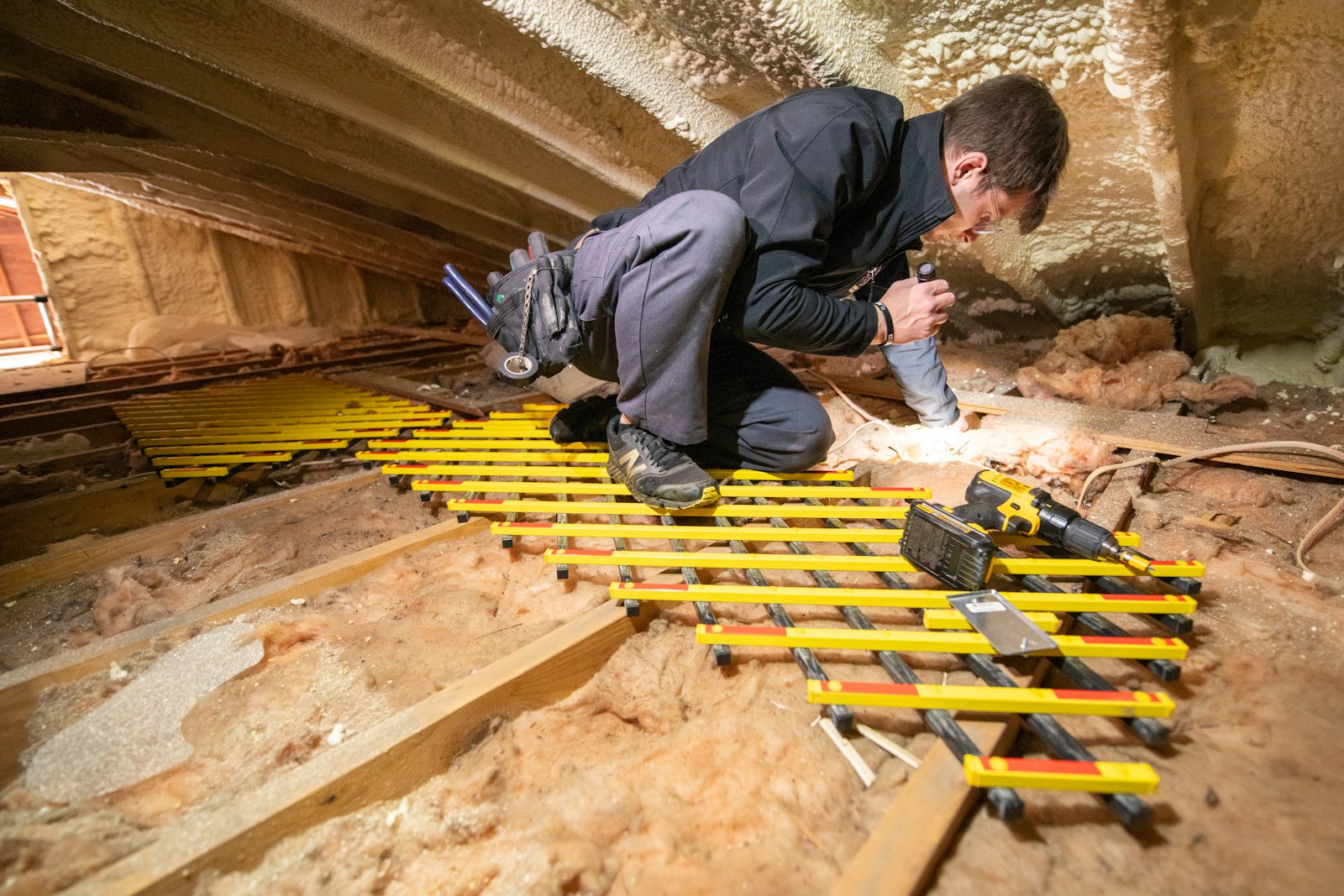
The rats are gone and the noise has stopped, so the job feels finished. It is not. What a rat colony leaves behind in your attic is a contamination problem and a health hazard, and how you handle it matters as much as the removal did. The single most important thing to know up front: never sweep or vacuum dry rat droppings. That is the one move that turns a contained mess into something you breathe in.
Here is what is actually in the attic, why it is dangerous, and what proper cleanup involves.
What rats leave behind
A colony living in your insulation produces a steady stream of droppings and urine, plus shredded nesting material made from whatever they could chew apart. Roof rats are not tidy tenants. Over a few months that waste soaks down into the insulation and across the framing, and it does two things at once.
First, it is a beacon. Rodent urine carries pheromones that mark the space as a safe nesting site, so even after you remove the animals, the scent keeps pulling new rats and mice toward the same attic. A contaminated, unsanitized attic is an open invitation. This is one of the reasons removal alone does not end an infestation, the same logic behind professional rodent exclusion: you have to close the structure and clean the scent, not just trap the current residents.
Second, it is a genuine disease risk, and it does not go away on its own.
Why dry cleanup is the dangerous part
The reason the "never sweep or vacuum dry" rule exists is airflow. Dried rodent droppings and urine can carry pathogens, and the way people get sick is by inhaling the particles after they get stirred into the air. A broom or a shop vacuum is the worst possible tool, because it aerosolizes exactly the dust you do not want in your lungs.
A few of the illnesses tied to rodent waste:
- Hantavirus. Carried in rodent droppings, urine, and saliva, and contracted by breathing in contaminated dust. Hantavirus pulmonary syndrome is rare, but it is serious and can be fatal, which is why the safe handling rules are not optional.
- Leptospirosis. A bacterial infection spread through rat urine in water or damp material. It can cause kidney and liver damage.
- Salmonella. Rats track droppings across surfaces, including anything in the attic you later bring back into the living space.
The protocol that keeps cleanup safe is the opposite of sweeping. You wet the material down with a disinfectant first so nothing goes airborne, you wear proper respiratory protection, you remove rather than disturb, and you seal the waste for disposal. Most homeowners do not have the gear for that, and the consequences of doing it wrong land in your lungs, not on the floor.
What professional sanitation actually involves
Cleanup is built into every full rat job we do, not sold as an add-on after the fact. Once the rats are out and the structure is sealed, the contaminated material has to come out and the space has to be neutralized. In practice that means:
- Removing soiled insulation. Lightly contaminated insulation can sometimes be spot treated, but heavily fouled insulation has to be pulled out completely, because you cannot disinfect your way through a foot of waste-soaked material.
- Disinfecting and fogging. After the bulk material is gone, the framing and remaining surfaces get treated with an enzyme-based disinfectant, and the space is fogged to reach what a sprayer cannot, killing pathogens and breaking down the scent that draws new rodents.
- Restoring the attic. New insulation goes back in so the space performs the way it should, which matters in the Lowcountry where attic temperatures and humidity are already working against you.
This is the same standard as our broader post-infestation attic clean out work, applied specifically to rodent contamination.
Why this matters more in Charleston
Lowcountry humidity changes the math. A dry attic in a dry climate slows decomposition and odor. A hot, humid Charleston attic accelerates everything: the smell, the bacterial growth, and the breakdown of contaminated insulation into airborne dust. Waste that might sit relatively inert somewhere drier becomes an active problem here within weeks.
The raised and historic housing stock makes it worse, because the attics and crawlspaces are often harder to access and easier for a colony to foul thoroughly before anyone notices. By the time you smell it in the living space, the contamination is usually well established.
Replace the insulation or just treat it?
This is the question that decides the size of the bill, and the honest answer is that it depends on how far the contamination went. Lightly soiled insulation, a few droppings near an entry point, can often be spot treated and left in place. Insulation that a colony has been nesting and urinating in for months cannot. At that point the material is saturated, the disinfectant cannot reach the bottom of it, and the only real fix is to pull it out and lay down new insulation.
There is an energy reason to care, not just a health one. In a Lowcountry summer your attic insulation is the main thing standing between a 130 degree attic and the rooms below. Insulation that rats have matted down, tunneled through, and fouled is not doing that job anymore, so replacing it after a bad infestation often pays back part of its cost in cooling bills. We scope this honestly during the inspection rather than defaulting to a full tear out on every job, because not every attic needs one.
The order that keeps it from coming back
Sanitation is the last step for a reason. Cleaning a contaminated attic before the rats are removed and the structure is sealed just gives a still-active colony a fresh space to re-soil. The sequence that works is always the same: trap out the live population, seal every entry larger than half an inch, then remove and decontaminate. Do it in that order and the attic stays clean. Do the cleanup first and you are paying to do it twice.
If you have found droppings in your attic, do not reach for the shop vacuum. Leave the material undisturbed and get the space inspected. See how we handle rat removal in Charleston, including the cleanup, or call (843) 212-1147 to schedule an inspection.
Sanitation & Remediation Services
Attic clean out, crawl space remediation, and contamination removal after wildlife activity in Charleston, SC.
See our sanitation services